Interface Dynamics: App Layouts Steering Real-Time Wager Changes on Digital Platforms
Written by Theo Baumann · Oct 12, 2026
Interface Dynamics: App Layouts Steering Real-Time Wager Changes on Digital Platforms
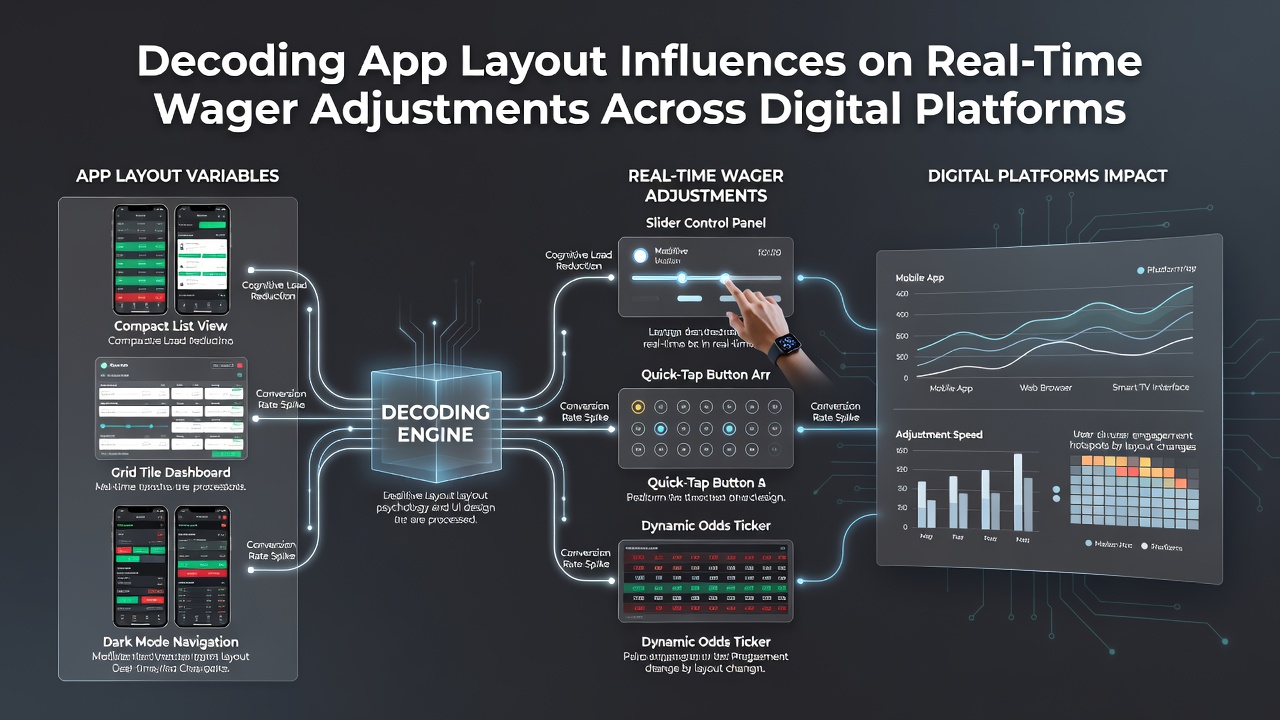
Digital betting platforms rely on precise screen arrangements to support users who modify wagers during ongoing events, and researchers continue to examine how button placement, color coding, and notification positioning shape those decisions. Data from multiple studies indicate that interface choices directly affect response times when odds shift in football, tennis, and horse racing markets.
Core Layout Components That Guide User Actions
Navigation bars positioned at the bottom of screens allow quicker access to live markets compared with top-placed menus, according to usability tests conducted across several international operators. Observers note that thumb-friendly zones reduce the steps needed to reach adjustment sliders or confirmation buttons during fast-moving segments of a match. Color contrasts between active odds and background elements help users spot changes without scrolling, while consistent icon styles across iOS and Android versions limit confusion when switching devices.
Real-time data feeds appear in fixed panels on many applications, and this stability lets bettors compare original stakes against updated figures without losing context. Studies reveal that when panels resize dynamically to accommodate new information, completion rates for wager modifications increase because the layout adapts rather than forces manual repositioning.
Regional Platform Variations and User Patterns
European operators often cluster quick-adjust tools near the center of the screen, whereas North American designs place them along the right edge to align with common one-handed usage habits. A report from the American Gaming Association highlights that these regional differences correlate with varying average session lengths and modification frequencies during peak evening hours. Australian platforms, by contrast, emphasize vertical scrolling lists that keep multiple event cards visible, allowing simultaneous monitoring of several live markets.
Those who have analyzed transaction logs find that users in October 2026 showed higher rates of mid-event changes on applications that introduced collapsible side panels, suggesting the layout update supported faster decision cycles without overwhelming the main view.
Data Sources and Research Findings
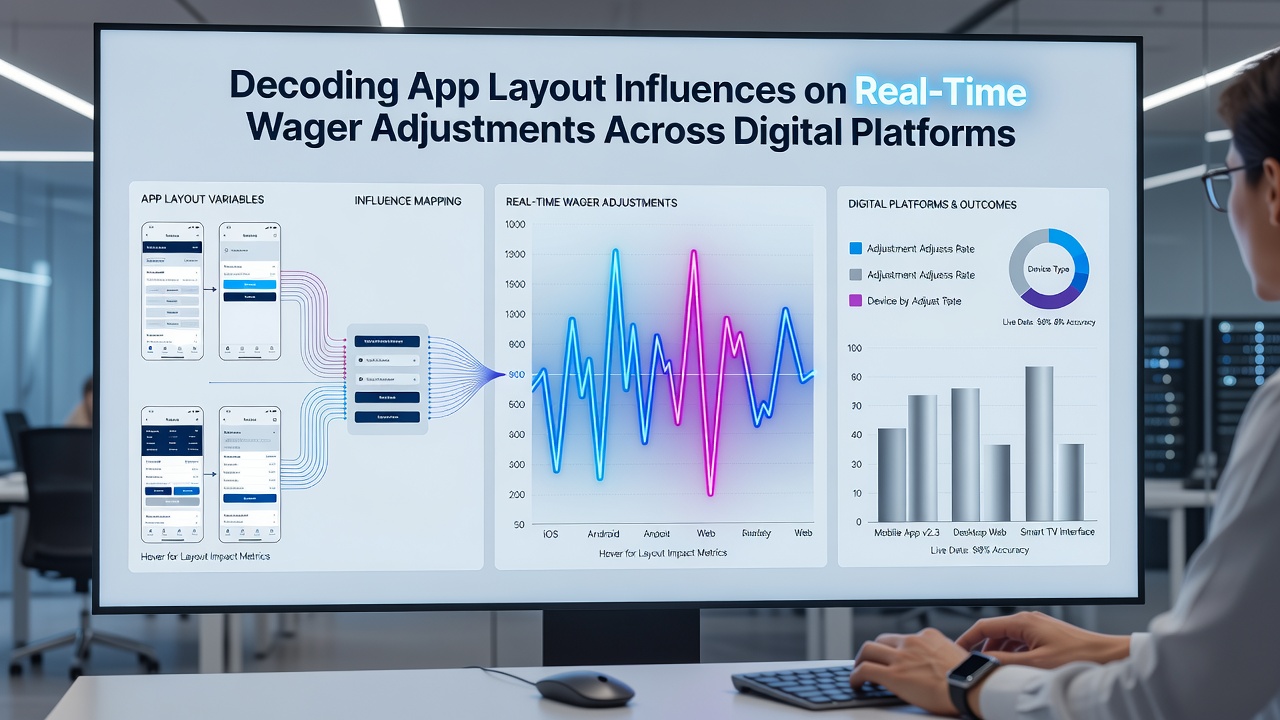
Academic work published in the Journal of Gambling Studies demonstrates that notification timing interacts with layout density to influence whether users proceed with adjustments or abandon them. When alerts appear above the primary betting area rather than as overlay pop-ups, completion metrics improve across tested cohorts. Industry analyses from Gambling Research Australia further indicate that spacing between interactive elements reduces accidental taps, particularly on smaller mobile displays during high-volatility periods such as injury time or final set tiebreaks.
Platform analytics teams track heat maps to refine element spacing, and results show that repositioning confirmation buttons closer to the odds ticker cuts average adjustment time by measurable margins. These adjustments remain consistent even when regulatory frameworks differ between jurisdictions, because the underlying screen logic prioritizes speed and clarity.
Future Developments in Layout Testing
Operators continue to run controlled experiments that isolate single variables such as font size, swipe gestures, and progress indicators. Findings from these trials feed into iterative updates that roll out across global user bases, with particular attention paid to accessibility standards that maintain functionality for diverse screen readers and input methods. The pattern of incremental refinement suggests that layout decisions will remain central to how platforms present real-time wagering options through the end of the decade.
Conclusion
Layout features on digital betting applications determine the speed and accuracy with which users respond to shifting odds, and ongoing measurements from multiple regions confirm measurable impacts on adjustment behavior. Continued refinement of these interface elements supports the operational needs of both platforms and their audiences across varied sports and event types.